Hot Shot Trucking Phoenix, AZ
Hot Shot Trucking in Tucson, AZ: A Comprehensive Guide
Introduction
Hot Shot Trucking has become a vital part of the logistics industry, especially in lively cities like Tucson, AZ. This specialized form of freight transportation focuses on time-sensitive deliveries, utilizing smaller trucks and trailers compared to traditional long-haul trucking. Let’s explore the world of Hot Shot Trucking and see why Tucson is a fantastic hub for this service.
History of Hot Shot Trucking
Hot Shot Trucking originated in the oil fields of Texas in the 1970s. Initially, it was all about delivering crucial parts and equipment to drilling sites as quickly as possible. Over time, this niche sector has grown, serving a variety of industries and expanding across the country.
The Tucson Advantage
Strategic Location
Tucson’s strategic location near the Mexican border and major highways like I-10 makes it an ideal spot for Hot Shot Trucking. This connectivity ensures fast and efficient delivery routes across the region and beyond.
Economic Significance
Tucson's economy, driven by sectors like manufacturing, retail, and technology, demands efficient logistics solutions. Hot Shot Trucking fulfills this need by offering swift and reliable delivery services, crucial for time-sensitive operations.
How Hot Shot Trucking Works
Key Components
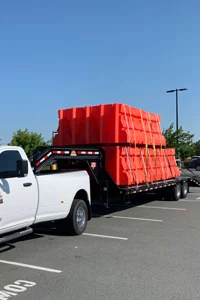
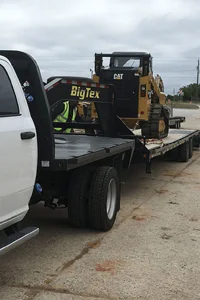
Hot Shot Trucking involves a dually truck equipped with a flatbed trailer. The cargo can range from construction materials to small machinery—essentially anything that needs to be delivered promptly.
Typical Cargo
The types of cargo in Hot Shot Trucking are varied. You might see everything from agricultural equipment to medical supplies being transported across Tucson’s roads.
Getting Started with Hot Shot Trucking in Tucson
Licensing and Regulations
Starting a Hot Shot Trucking business in Tucson requires obtaining the necessary licenses and permits. A Commercial Driver’s License (CDL) is a must, along with compliance with Department of Transportation (DOT) regulations.
Essential Equipment
Investing in a reliable truck and trailer is essential. Additionally, tools like GPS systems and load securing equipment are vital to ensure safe and efficient operations.
Personal Story: My Journey into Hot Shot Trucking
My adventure into Hot Shot Trucking began with an old pickup truck and a big dream. I recall my first delivery vividly—hauling industrial fans to a warehouse on the outskirts of Tucson. The satisfaction on the client's face when I arrived ahead of schedule was unforgettable. Over the years, I've transported everything from delicate glass panes to massive construction beams, each job teaching me something new about the trade.
Humor on the Road
Life as a Hot Shot Trucker is full of surprises! Once, I was delivering a load of mannequins to a retail store. Halfway through the trip, I noticed a few heads rolling around in the back. You should have seen the looks on people’s faces as I pulled over to secure them. Lesson learned: Always double-check your load!
Challenges in Hot Shot Trucking
Common Obstacles
Hot Shot Trucking comes with its fair share of challenges. Traffic jams, tight deadlines, and unpredictable weather can all pose significant hurdles.
How to Overcome Them
Staying calm and prepared is crucial. Investing in reliable navigation tools and maintaining clear communication with clients can help overcome these obstacles.
Safety Tips for Hot Shot Truckers
Best Practices
Safety should always be a top priority. Regular vehicle maintenance, proper load securing, and adherence to traffic laws are essential to ensure your safety and that of others on the road.
Technology in Hot Shot Trucking
GPS and Tracking Systems
Modern technology has revolutionized Hot Shot Trucking. GPS and real-time tracking systems enable more efficient route planning and delivery tracking, enhancing both service quality and safety.
Environmental Impact
Eco-friendly Practices
As the world becomes more eco-conscious, adopting greener practices in Hot Shot Trucking is important. Consider using fuel-efficient vehicles and minimizing idling time to reduce your carbon footprint.
Hot Shot Trucking vs. Traditional Trucking
Key Differences
While both Hot Shot and traditional trucking involve transporting goods, Hot Shot Trucking focuses on smaller, time-sensitive deliveries. It’s like comparing a sprint to a marathon—both require skill, but they’re suited for different tasks.
Future of Hot Shot Trucking in Tucson
Trends and Predictions
The future looks bright for Hot Shot Trucking in Tucson. With ongoing infrastructure development and increasing demand for quick deliveries, this sector is poised for growth. Advancements in technology and eco-friendly practices will further shape its evolution.
Conclusion
Hot Shot Trucking is a dynamic and essential component of Tucson’s logistics landscape. Whether you’re considering starting a business or simply curious about the industry, there’s no denying its impact and potential. With the right preparation and mindset, you too can navigate the fast-paced world of Hot Shot Trucking.
FAQs
What is Hot Shot Trucking?
Hot Shot Trucking is a niche sector within the trucking industry that focuses on time-sensitive deliveries using smaller trucks and trailers.
How do I start a Hot Shot Trucking business in Tucson?
To start a Hot Shot Trucking business in Tucson, you’ll need a Commercial Driver’s License (CDL), the necessary permits, and reliable equipment. Complying with DOT regulations is also essential.
What are the benefits of Hot Shot Trucking?
Hot Shot Trucking offers quicker delivery times, flexibility, and the ability to handle a variety of cargo, making it ideal for time-sensitive and smaller loads.
How do I ensure safety in Hot Shot Trucking?
Ensuring safety in Hot Shot Trucking involves regular vehicle maintenance, proper load securing, adherence to traffic laws, and using modern technology like GPS for efficient route planning.
What is the future of Hot Shot Trucking in Tucson?
The future of Hot Shot Trucking in Tucson looks promising, with increasing demand for fast deliveries and advancements in technology shaping the industry’s growth.
Unlocking the Secrets of Hot Shot Trailers: 2026 Industry Guide
Revolutionizing Time-Sensitive Logistics with Medium-Duty Efficiency
In the high-stakes world of 2026 logistics, Hot Shot Trailers have emerged as the ultimate solution for "Just-in-Time" deliveries. Unlike conventional semi-trucks, hot shot trucking utilizes medium-duty pickup trucks paired with specialized trailers to move urgent, small-to-mid-sized loads with unmatched agility. This guide breaks down the equipment, costs, and strategic advantages that make Hot Shot the preferred choice for Ontario's manufacturing and tech sectors.
The Power Behind the Pull: Hot Shot Truck Classes
Hot shot trucking relies on Class 3, 4, and 5 vehicles. Understanding these Gross Vehicle Weight Ratings (GVWR) is essential for compliance and efficiency.
Class 3 (GVWR: 10,001–14,000 lbs)
The versatile entry point for hotshotting.
Examples: Ford F-350, Ram 3500, Chevy Silverado 3500.
Class 4 (GVWR: 14,001–16,000 lbs)
Heavy-duty pickups designed for increased payload stability.
Examples: Ford F-450, Ram 4500, GMC Sierra 4500.
Class 5 (GVWR: 16,001–19,500 lbs)
Commercial-grade chassis for the most demanding expedited hauls.
Examples: Ford F-550, Ram 5500, International CV.
Specialized Trailers for Every Cargo Need
The right trailer ensures safety and speed. Here is how the 2026 fleet is configured:
- Gooseneck Trailers: The industry standard for stability. They offer a tighter turn radius and handle heavier loads (up to 25,000 lbs with CDL).
- Bumper Pull: Ideal for lighter, local runs under 10,000 lbs. Popular for Non-CDL operations.
- Lowboy Trailers: Featuring a low center of gravity, these are essential for oversized or exceptionally tall equipment.
- Tilt Deck Trailers: Utilize hydraulic systems to load ground-level equipment without ramps. Great for the rental and construction sectors.
- Dovetail Trailers: Feature a gradual rear incline, perfect for loading wheeled machinery or vehicles with low clearance.
Factors Influencing Hot Shot Rates in 2026
Service Type
Door-to-door offers maximum convenience but can be costlier due to residential navigation. Terminal-to-terminal is often the budget-friendly alternative for industrial hubs.
Cargo Condition
Inoperable machinery requires winches or specialized cranes for loading, which adds to the base labor rate.
Regional Demand
Ontario, CA is a high-volume hub. Rates fluctuate based on fuel indices and the availability of return loads (backhauls).
Hot Shot vs. Expedited: What's the Difference?
| Feature | Hot Shot Trucking | Expedited Shipping |
|---|---|---|
| Vehicle | Pickup + Trailer (Class 3-5) | Cargo Vans, Sprinters, Straight Trucks |
| Best For | Heavy Parts, Machinery, Multi-Pallet | Parcels, Medical Samples, Single Pallets |
| Loading | Side/Crane/Rear Load (Versatile) | Rear/Dock Loading only |
Why Choose Hot Shot for Your Business?
In 2026, Speed, Affordability, and Precision are the pillars of successful logistics. Hot shot trucking eliminates the "hub-and-spoke" delays of traditional carriers, moving your cargo directly from point A to point B.
Get a Real-Time Hot Shot Quote