
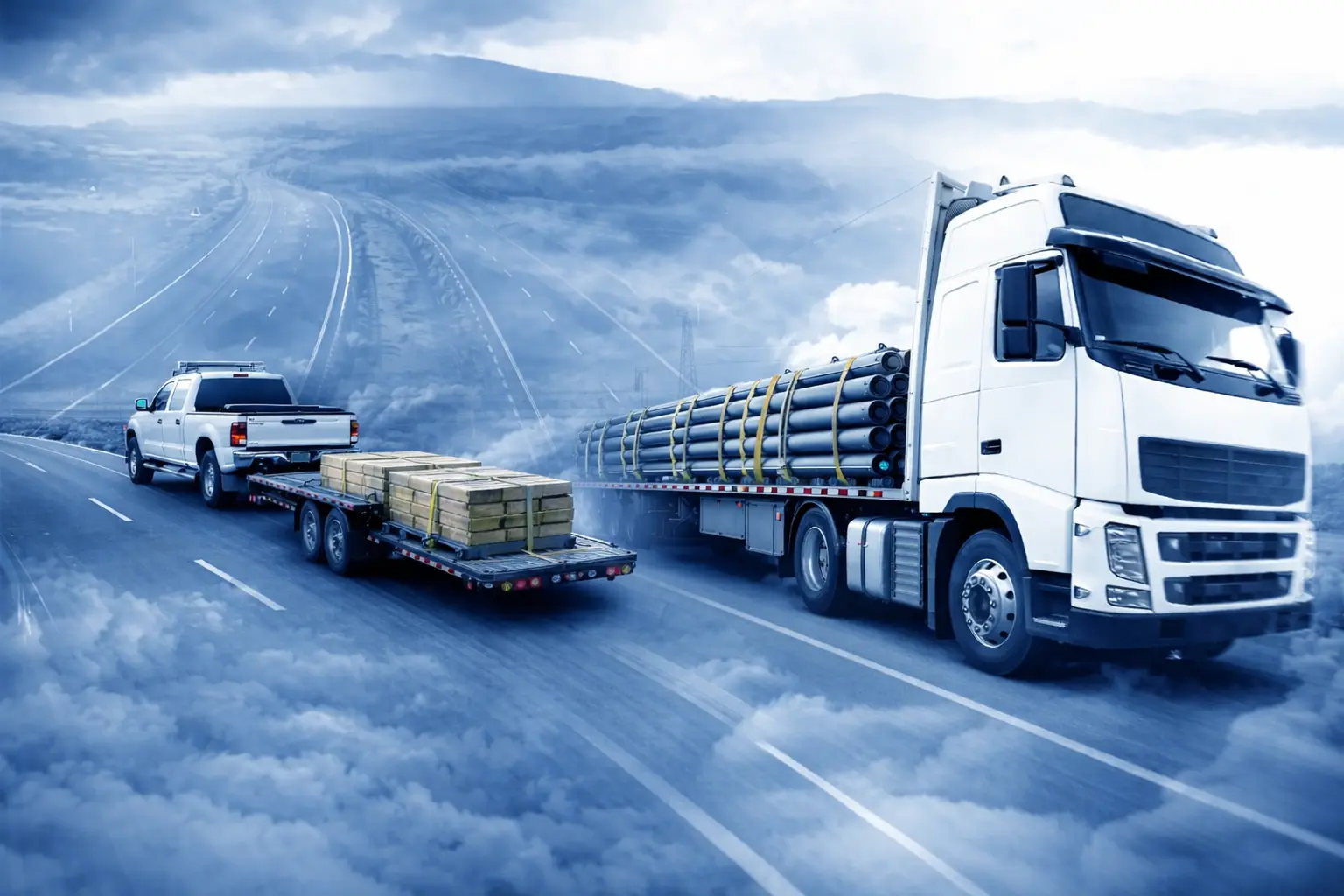
Freight Load Types Explained
Every shipment has its own requirements. A single pallet of boxed product does not need the same truck as oversized machinery, construction equipment, oilfield supplies, or a time-sensitive hot shot shipment. This page breaks down common freight load types so shippers can better understand which trucking service may fit their freight.
Shipwithjason helps customers compare practical options like LTL trucking, full truckload shipping, hot shot trucking, flatbed freight, Sprinter van freight, and heavy haul transportation. The goal is simple: match the load to the equipment, route, and schedule that make the most sense.
When requesting a quote, helpful details include dimensions, weight, commodity, pickup and delivery hours, loading method, forklift or crane access, photos, and whether the freight is stackable, fragile, oversized, urgent, or appointment-sensitive.
1. LTL Freight Loads
LTL freight, or less-than-truckload shipping, is commonly used when a shipment is too large for parcel service but does not require an entire trailer. These loads often include palletized freight, boxed commercial goods, parts, supplies, packaged equipment, and recurring business shipments.
LTL can be a smart option for shippers who want to control cost by sharing trailer space with other freight. It is especially useful when the delivery is not so urgent that it needs a dedicated truck. For a broader comparison, review LTL and FTL trucking or request help through the freight quote page.
2. Full Truckload Freight
Full truckload shipping, often called FTL, is used when your freight needs the whole trailer or when direct service is better for the load. This may include high-volume palletized freight, direct plant-to-warehouse moves, retail freight, equipment, materials, and shipments that need fewer touch points.
FTL can help reduce handling because the freight generally stays on the same trailer from pickup to delivery. It is also a strong option when timing, security, space, or direct routing matters. You can compare more details on the FTL trucking guide or look at nationwide trucking services for related options.
3. Hot Shot Loads
Hot shot trucking is often used for urgent, smaller, or time-sensitive freight that needs to move without waiting for standard truckload scheduling. Common hot shot loads include parts, machinery components, jobsite materials, oilfield supplies, farm equipment, construction items, and emergency replacement freight.
Hot shot service can be a good fit when the freight is important enough to justify dedicated routing but does not require a full semi-trailer. Some shipments may also be a match for hot shot Sprinter van trucking when the load is smaller, enclosed, and time-sensitive.
4. Sprinter Van and Cargo Van Loads
Sprinter van freight is designed for smaller expedited loads that need enclosed, dedicated transportation. These shipments often include boxes, parts, medical-related supplies, trade show items, small pallets, electronics, commercial products, and freight that needs faster direct service than standard LTL.
A Sprinter van or cargo van can be easier to schedule for smaller freight, especially when a dock is not required or when the receiver needs a more flexible delivery option. For larger enclosed freight, review van trucking services or use the contact page to discuss the load details with Jason.
5. Dry Van and Enclosed Trailer Loads
Dry van trucking is one of the most common ways to move enclosed freight. It is commonly used for palletized goods, boxed products, retail freight, warehouse inventory, packaged materials, and freight that needs protection from weather.
Dry van freight may move as LTL, partial truckload, or full truckload depending on size, weight, urgency, and delivery requirements. Shippers comparing enclosed options may also want to review LTL shipping and full truckload service before choosing the best path.
6. Flatbed Loads
Flatbed trucking is used for freight that does not fit well inside an enclosed trailer or needs to be loaded from the side, top, or by crane. Common flatbed loads include steel, lumber, pipe, machinery, building materials, jobsite freight, industrial equipment, and oversized items within legal limits.
Flatbed loads require accurate measurements, securement planning, and clear loading instructions. If the freight is wider, taller, longer, or heavier than standard legal limits, it may need over-dimensional trucking or heavy haul transportation instead of a standard flatbed move.
7. Oversized and Over-Dimensional Loads
Over-dimensional freight includes loads that exceed standard legal dimensions for width, height, length, or weight. These shipments may involve machinery, tanks, industrial components, large crates, steel structures, equipment attachments, or freight that requires permits and route planning.
Oversized loads need more detail before quoting because permits, escorts, routing, curfews, and state rules can affect timing and cost. If the shipment is especially heavy or complex, Shipwithjason may review it as part of heavy haul transportation or broader freight broker services.
8. Heavy Haul Loads
Heavy haul freight is used for loads that require specialized equipment, route planning, and experienced coordination. These shipments may include large machinery, industrial equipment, construction equipment, agricultural equipment, oversized components, and freight that cannot move on standard dry van or flatbed equipment.
Heavy haul planning depends on exact dimensions, total weight, center of gravity, loading method, delivery site access, and whether permits or escorts are needed. Many heavy haul shipments also connect with construction equipment trucking or over-dimensional freight services.
9. Construction Equipment Loads
Construction equipment trucking covers machines and jobsite equipment such as skid steers, excavators, lifts, attachments, compactors, generators, trenchers, loaders, and support equipment. These loads often require open-deck equipment, accurate measurements, and clear pickup and delivery access.
Depending on the size and weight of the machine, the shipment may move by flatbed, step deck, RGN-style capacity, or heavy haul transportation. Sharing photos, make, model, operating condition, and loading notes helps speed up the quote process.
10. Oilfield and Industrial Loads
Oilfield transportation and industrial freight often involve time-sensitive materials, pipe, valves, pumps, fittings, tools, equipment, and urgent replacement parts. These loads may need fast pickup, direct communication, and equipment that can handle jobsite or yard conditions.
Some oilfield loads fit best with hot shot trucking, while larger industrial freight may require flatbed service, full truckload shipping, or heavy haul support. The right answer depends on urgency, size, weight, and how the freight will be loaded.
11. Shipping Container Loads
Shipping container transport is used for loaded or empty containers moving between ports, yards, warehouses, jobsites, farms, and commercial locations. Container shipments can involve 20-foot, 40-foot, high-cube, or specialty containers depending on the freight and lane.
Container moves require clear details about container size, weight, pickup conditions, delivery access, and whether loading or unloading equipment is available. Some container freight may also connect with trucking services or nationwide service areas depending on the route.
12. Household Goods and Personal Freight Loads
Household goods shipping can include furniture, boxed household items, small moves, estate items, personal freight, or special items that need more planning than a standard parcel shipment. These loads often require careful communication about access, packaging, pickup windows, and delivery expectations.
Depending on the size of the move, household goods may be reviewed as enclosed van freight, LTL freight, or a dedicated option. For personal freight, clear photos and an itemized list can make the quote more accurate.
13. Freight Broker Support for Mixed Load Types
Some shipments do not fit neatly into one category. A load may start as LTL, then become a partial truckload after dimensions are confirmed. A machine may look like a flatbed load but need heavy haul planning once the weight is verified. That is where practical freight broker support can help.
Shipwithjason helps customers sort through equipment options, timing, loading needs, route considerations, and carrier availability. Whether you are comparing types of trucking services, reviewing freight shipping options, or ready to request pricing, the freight quote form is the best place to start.
