
LTL Freight Shipping Services Built Around the Freight
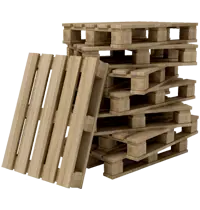
LTL freight shipping is often the right choice when your load is too large for parcel service but too small to justify a dedicated full truckload. Shipwithjason helps shippers compare LTL freight, partial truckload, hot shot, Sprinter van and full truckload options so the shipment is matched to the service that actually fits the freight.
Instead of treating every shipment the same, this page connects your freight to related services such as LTL trucking, full truckload shipping, hot shot trucking, flatbed trucking, heavy haul transportation, and freight broker services. You can also review the broader trucking articles and types of trucking services pages for more shipping guidance.
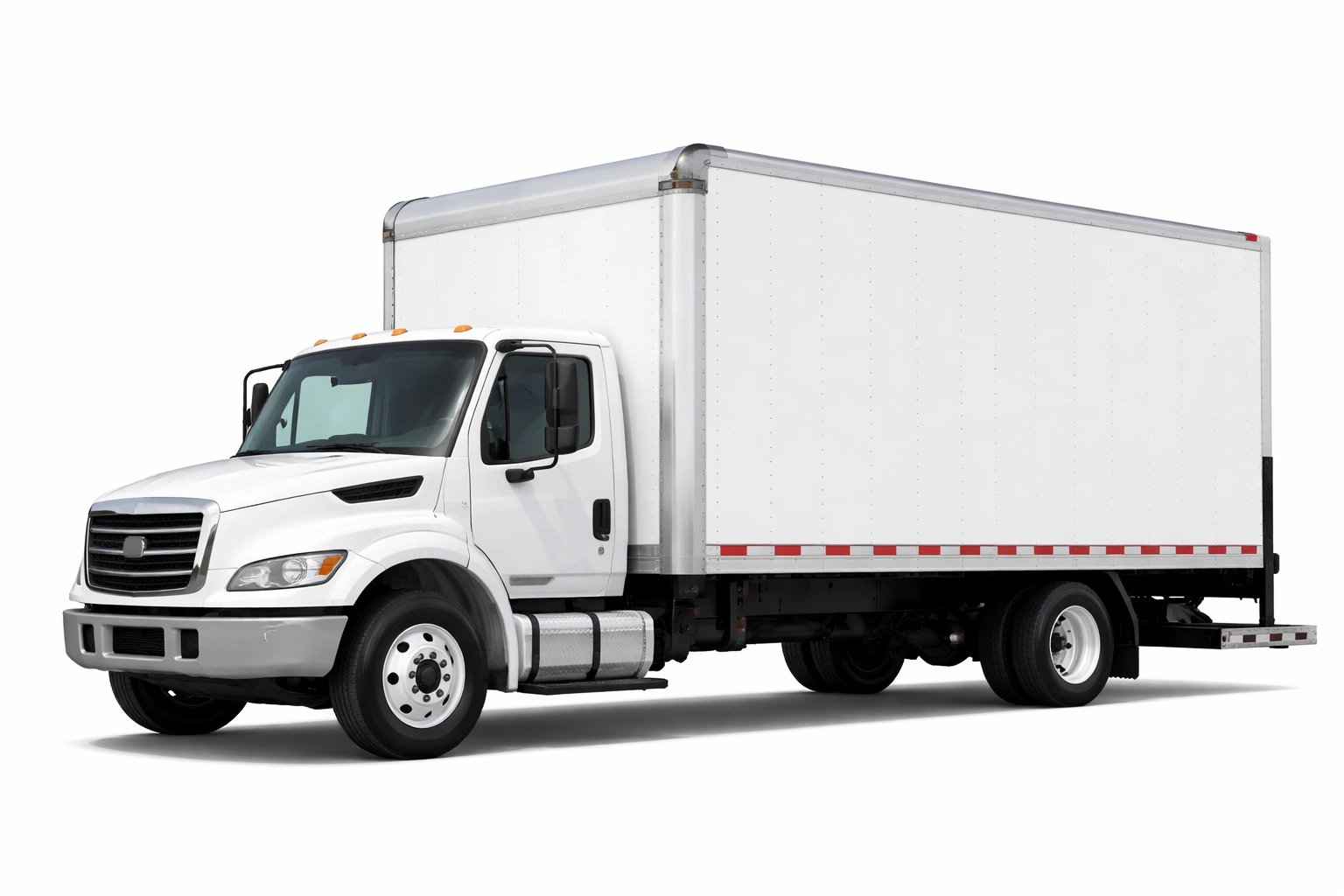
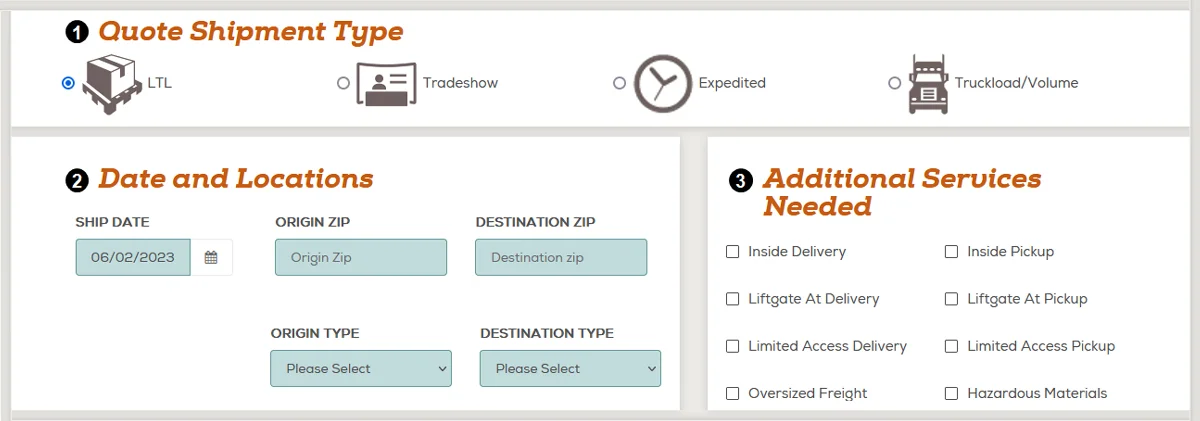
LTL Shipping Quote Details That Help
A useful LTL quote starts with the pallet or piece count, exact dimensions, total weight, commodity, freight class when known, pickup and delivery access, and any appointment or liftgate needs. LTL shipping can be a practical choice when a shipment does not require an entire trailer.
- Pallet count, total weight and exact dimensions
- Freight class, commodity description and value
- Dock, forklift, liftgate or limited-access requirements
- Ready date, delivery deadline and appointment needs
Use the shipment size, timing, value, equipment needs and loading conditions to decide whether this service is the right match.
Freight should be matched to equipment before the truck is booked, not after the driver arrives at pickup.
Accurate measurements, photos, access notes and timing make it easier to quote the load correctly.
When LTL trucking makes sense
LTL trucking is commonly used for palletized freight, boxed inventory, crated goods, equipment parts, retail replenishment, trade show materials and other commercial shipments that can move safely through a carrier network. If your freight can be measured, weighed, protected and loaded with a dock or forklift, LTL may be a practical way to control cost without buying a full trailer.
How to avoid LTL quote problems
Accurate freight details matter. Dimensions, weight, freight class, piece count, pallet count, accessorial needs and delivery restrictions all affect the final rate. A shipment that needs a liftgate, residential delivery, inside delivery or appointment service should be quoted that way from the beginning.
LTL compared with other freight options
Smaller shipments may fit LTL, but urgent freight may be better served by hot shot trucking or Sprinter van freight. Larger shipments, fragile cargo or freight that should avoid terminal handling may need full truckload service. Open-deck freight may belong on a flatbed instead of an enclosed LTL trailer.
What to Send Before Requesting a Quote
A stronger freight quote starts with clear information. Whether you need ltl shipping, general trucking services, help identifying the load type, or a direct freight quote request, the details below help narrow down the right carrier plan.
A strong LTL shipment is properly packaged, measured, labeled and ready for standard carrier handling.
Liftgate, appointment, residential and limited-access details should be known before the quote is finalized.
LTL is not always the best answer if the shipment is urgent, fragile, oversized or difficult to handle.
Helpful trucking resources connected to this service
For broader planning, use this page along with the trucking articles resource hub, the LTL and FTL trucking comparison, the types of trucking services guide, and the types of freight page. Together, these guides can help you compare equipment, understand common freight terms, and prepare the details needed for a more accurate quote.
Helpful Freight Guides
Planning this type of shipment? These guides answer common questions before you request a quote.
Frequently Asked Questions About LTL Shipping
What does LTL trucking mean?
LTL stands for less-than-truckload. It is used when one shipment does not require the entire trailer and can share space with other freight.
What details are needed for an LTL quote?
Helpful details include pickup and delivery locations, weight, dimensions, pallet count, commodity, freight class, access requirements and delivery timing.
When is LTL better than full truckload?
LTL can be better for smaller commercial shipments that are packaged for terminal handling and do not need a dedicated truck.
Can LTL freight be expedited?
Some LTL freight can move with faster service levels, but truly urgent or direct shipments may be better suited to hot shot or Sprinter van freight.
More Shipper Guides
Use these related guides to compare equipment and prepare the shipment before requesting a quote.
