
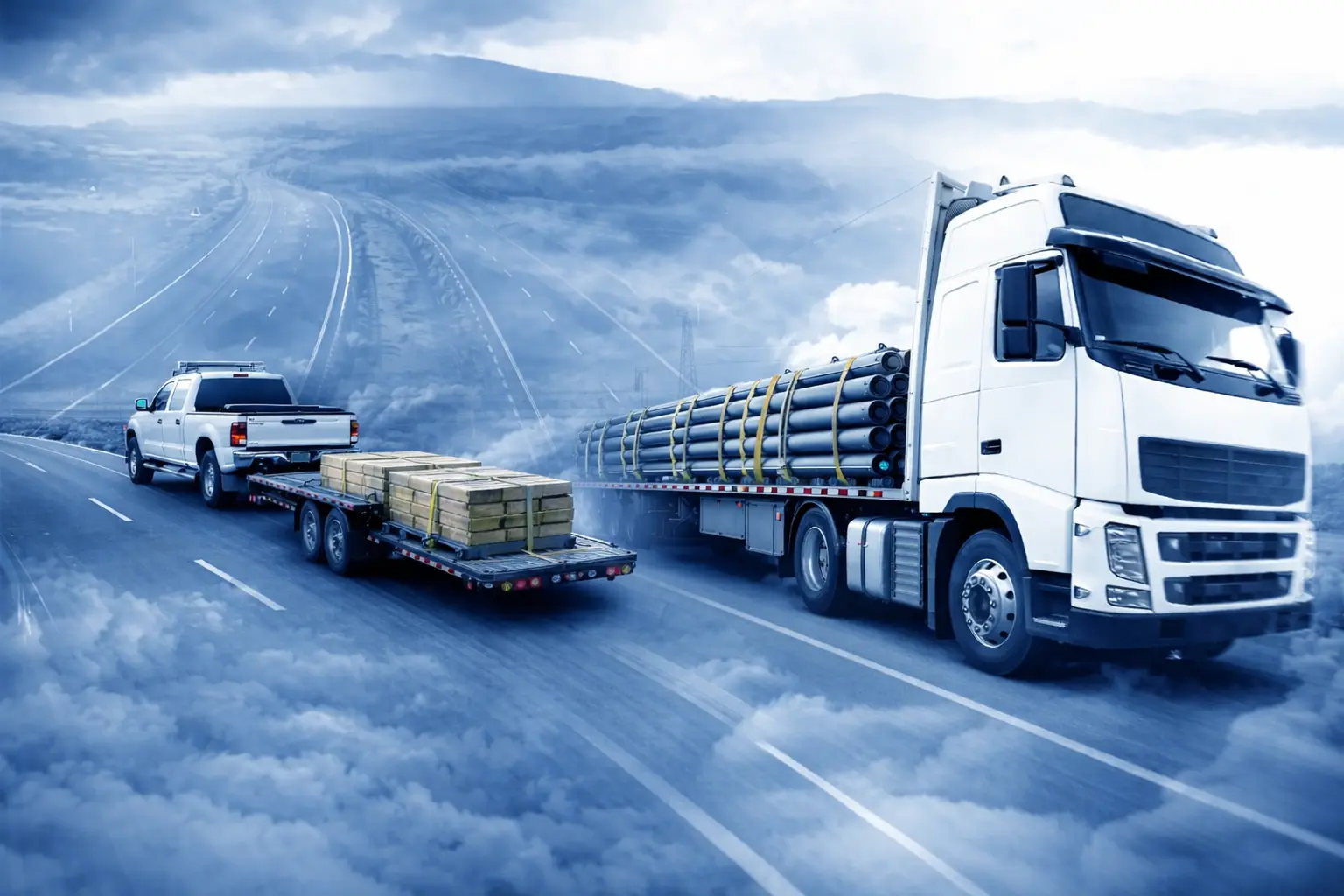
Types of Trucking Services for Nationwide Freight Shipping
Not every shipment should move the same way. A single pallet, a full trailer, a time-sensitive machine part, a wide piece of equipment, and a shipping container all need different planning. This guide explains the most common types of trucking services so you can choose the right fit before requesting a freight quote.
Shipwithjason helps shippers compare LTL trucking, full truckload shipping, hot shot trucking, flatbed freight, Sprinter van freight, heavy haul transportation, and other freight options based on size, weight, schedule, loading conditions, and delivery requirements.
The goal is simple: match the equipment and service level to the actual freight instead of overpaying for too much truck or risking delays because the wrong equipment was selected.
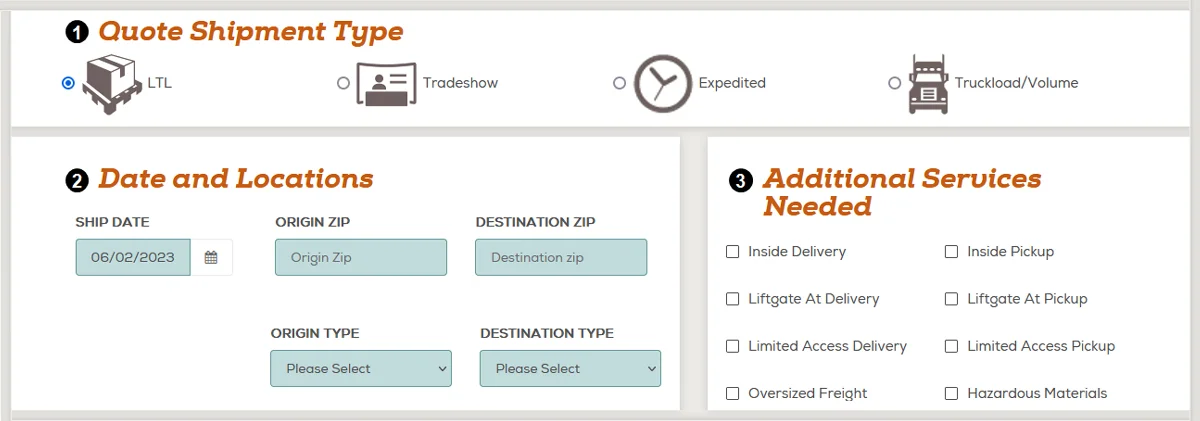
LTL Trucking for Smaller Commercial Shipments
LTL trucking, or less-than-truckload shipping, is commonly used when freight does not take up an entire trailer. It can be a smart option for palletized freight, boxed products, business supplies, and smaller commercial shipments that can share space with other freight.
LTL service is usually best when the shipment is not extremely urgent, can be loaded and unloaded safely at docks or business locations, and has accurate dimensions, weight, freight class, and packaging information. Shippers comparing LTL against a dedicated truck can also review LTL and FTL trucking to understand when a shipment should move shared versus dedicated.
- Best for palletized freight, cartons, packaged materials, and smaller business shipments.
- Works well when the load does not justify the cost of a full trailer.
- Can be compared with full truckload shipping when freight is larger, fragile, or time-sensitive.
Full Truckload Shipping for Dedicated Trailer Capacity
Full truckload shipping, often called FTL, is used when a shipment needs most or all of a trailer, requires direct movement, or should not be handled through multiple terminals. FTL can be the better choice for high-volume freight, high-value freight, fragile freight, or shipments with tighter appointment windows.
A full truckload can move in dry van, flatbed, step deck, refrigerated, or other equipment depending on the freight. If you are deciding between shared trailer space and dedicated service, the FTL trucking guide can help explain why direct truckload service may reduce handling and improve control.
- Best for larger shipments, dedicated trailer use, and direct pickup-to-delivery freight.
- Helpful when freight should avoid repeated loading, unloading, or terminal handling.
- Often compared with LTL shipping when the shipment size is close to the break point.
Hot Shot Trucking for Time-Sensitive Freight
Hot shot trucking is commonly used for urgent, smaller, or specialized freight that needs to move quickly without waiting for a standard truckload schedule. This can include machinery parts, jobsite materials, repair components, oilfield supplies, construction parts, and freight that must get moving as soon as possible.
Hot shot service may use pickup trucks with gooseneck trailers, flatbeds, or other smaller equipment depending on the load. It is often a practical option when a shipment is too urgent for standard LTL but does not require a full-size tractor trailer. For smaller enclosed expedited freight, hot shot Sprinter van trucking may be a better fit.
- Best for expedited freight, urgent parts, jobsite deliveries, and smaller dedicated shipments.
- Useful when timing matters and the shipment needs more direct communication.
- Can connect with oilfield transportation and construction equipment trucking needs.
Sprinter Van and Enclosed Van Trucking Services
Sprinter van freight is a strong option for smaller expedited shipments that need enclosed protection, fast routing, and simple loading. It is often used for boxes, parts, tools, electronics, medical-related freight, trade show materials, and business supplies that do not need a full trailer.
For larger enclosed shipments, van trucking services may provide more room while still protecting freight from weather. Enclosed van service is often preferred when freight cannot ride on an open deck or when the shipper wants a cleaner, more protected transportation option.
- Best for smaller expedited shipments, boxed freight, parts, and protected cargo.
- Works well when dock access is limited or freight can be loaded by hand, pallet jack, or forklift.
- Can be paired with a freight quote request when dimensions, weight, and pickup timing are ready.
Flatbed Trucking for Open-Deck Freight
Flatbed trucking is used for freight that is too large, too awkward, or too difficult to load into an enclosed trailer. Common flatbed freight includes steel, lumber, pipe, machinery, building materials, equipment, tanks, crates, and jobsite materials.
Flatbed freight often requires special attention to securement, tarping, forklift access, crane loading, and site conditions. If the freight is taller, heavier, wider, or more complex than standard open-deck freight, it may need heavy haul transportation or over-dimensional trucking instead of a standard flatbed.
- Best for equipment, steel, lumber, pipe, building materials, and side-loaded freight.
- Useful when freight cannot fit through dry van or enclosed trailer doors.
- Should be quoted with accurate dimensions, weight, loading method, and tarp requirements.
Heavy Haul, Oversize, Step Deck, and RGN Trucking
Heavy haul transportation is used when freight is too large or too heavy for standard equipment. Oversize or overweight shipments may involve permits, route surveys, escorts, special trailers, and detailed planning before the truck ever arrives at the pickup site.
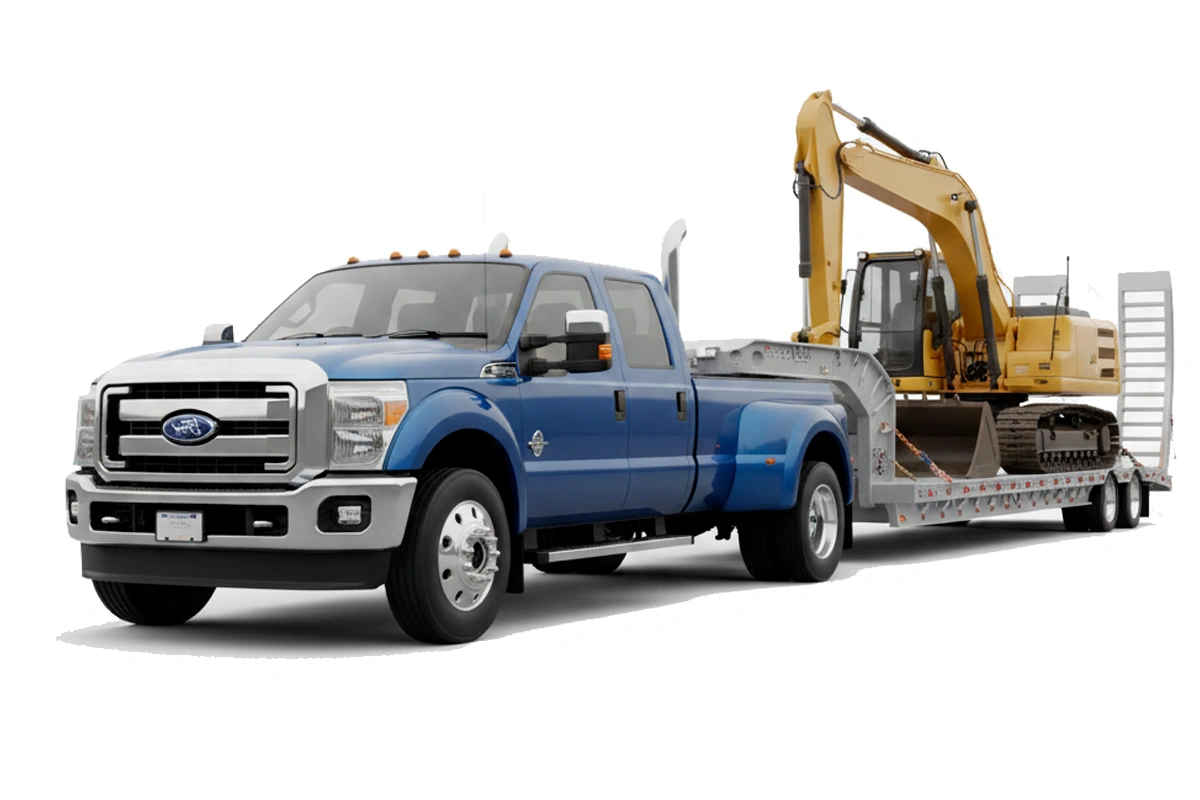
When cargo exceeds legal size or weight limits, over-dimensional trucking becomes part of the planning conversation. Freight such as excavators, loaders, industrial machinery, large crates, generators, and tall equipment may require step deck, lowboy, RGN, or other specialized open-deck equipment.
- Best for oversized machinery, heavy equipment, tall cargo, and permit-sensitive freight.
- Often connected to construction equipment trucking and industrial project freight.
- Requires accurate measurements, loading details, weight, origin, destination, and site access notes.
Container, Oilfield, Construction, and Specialized Freight
Some trucking services are built around a specific industry or type of cargo. Shipping container transport may involve moving loaded or empty containers, coordinating pickup points, and confirming equipment needed for loading or delivery.
Oilfield transportation often involves time-sensitive parts, equipment, pipe, tools, pumps, and materials moving to remote or industrial locations. Construction equipment trucking may involve machinery, attachments, jobsite materials, or equipment that needs flatbed, step deck, lowboy, hot shot, or heavy haul support.
Specialized shipments may also include household goods shipping, commercial relocation freight, project cargo, power-only moves, or freight that needs a custom solution through freight broker services.
What to Include When Requesting a Trucking Quote
The better the shipment details, the easier it is to match your freight with the right trucking service. Before requesting a quote, gather the pickup city and delivery city, ready date, delivery deadline, dimensions, weight, commodity, loading method, unloading method, and any special notes about site access.
Photos are also helpful for machinery, crates, equipment, irregular freight, and open-deck cargo. When you are ready, send the details through the freight quote form or contact Shipwithjason directly through the contact page.
