
Quick Answer
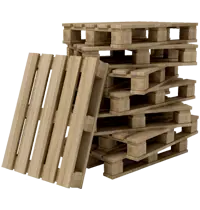
A good pallet shipment starts with accurate dimensions, secure packaging, clear labels and the right freight mode for the size, route and urgency.
Use the outside dimensions of the finished palletized shipment, including wrap, crate or overhang.
Keep the freight stable on the pallet so normal handling does not shift pieces or expose fragile edges.
A pallet may move by LTL, Sprinter, straight truck, partial or full truckload depending on size and timing.
Step 1: build and secure the pallet
Use a pallet or skid that is in good condition and strong enough for the load. Keep the freight centered when possible and avoid unsupported overhang. Protect corners and fragile surfaces, then use appropriate banding, stretch wrap, blocking, bracing or crating for the commodity.
The goal is to create one stable handling unit. LTL freight in particular may be handled at terminals, so packaging should be able to tolerate normal forklift movement and transfers. Fragile, high-value or unusually shaped freight may need more protection or a service with fewer handling events.
Step 2: measure and weigh the finished shipment
Measure the longest length, widest width and highest point after everything is wrapped, strapped or crated. Do not use the product dimensions if the finished pallet is larger. Record the total shipment weight, including the pallet and packaging.
Those numbers affect whether the freight fits standard LTL handling, a Sprinter van, a hot shot trailer, a straight truck or full truckload. Accurate measurements also reduce the chance of reclassification, reweighs or equipment changes.
Step 3: label, photograph and communicate access
Use clear shipping labels and make sure old labels are removed or covered. If a pallet must stay upright, cannot be stacked or has a specific lifting point, communicate that before pickup and mark it appropriately.
Take photos of the finished pallet before it leaves. Photos can help with quoting unusual freight, verify the packaging condition and make pickup instructions clearer. Also identify whether the shipper and receiver have docks or forklifts. If not, the shipment may need a liftgate or another loading plan.
What to Send Jason
If you want help matching the shipment to the right equipment or service, send these details with your freight quote request:
- Finished pallet dimensions
- Total weight including packaging
- Commodity description
- Number of pallets or pieces
- Stackable or non-stackable
- Dock/forklift/liftgate needs
- Pickup and delivery hours
- Photos of the finished pallet
- Required delivery date
Do not guess the equipment if you are unsure
You do not need to know the trucking terminology before asking for a quote. Send the freight details and the options can be compared. That is usually safer than booking a truck by name and discovering at pickup that the load does not fit.
Frequently Asked Questions
What measurements do I use for pallet freight?
Use the outside dimensions of the finished shipment after it is palletized, wrapped or crated.
Can one pallet ship by LTL?
Yes, many single-pallet commercial shipments are candidates for LTL, but the best mode depends on size, weight, commodity, route and timing.
Do I need a forklift to ship a pallet?
Not always. If a dock or forklift is unavailable, tell the freight provider before booking so liftgate or other loading options can be considered.
Should I send pallet photos with a quote request?
Photos are especially helpful for machinery, unusual shapes, fragile items, overhang or anything that may affect loading and securement.
