
Quick Answer
The right truck depends on the freight dimensions, weight, loading method, weather protection, urgency and whether the shipment needs a dedicated vehicle.
A Sprinter or cargo van may fit compact freight that needs enclosed, direct service.
LTL, partial truckload, a straight truck or full truckload may fit depending on volume and handling.
Flatbed, step deck, RGN or other specialized equipment may be needed for tall, wide, heavy or crane-loaded freight.
Start with the freight, not the truck name
Before choosing equipment, write down the exact length, width and height of every piece after packaging. Add the total weight, piece count and whether anything can be stacked. A load that sounds small by weight can still require a larger truck because of its dimensions, while a dense shipment may run into payload limits before it runs out of floor space.
Also note how the freight will be loaded. A dock-height trailer, forklift from the side, crane, ramp or ground-level pickup can change the equipment choice. If the freight must stay dry and enclosed, that can rule out open-deck equipment even when the dimensions fit.
Common equipment choices
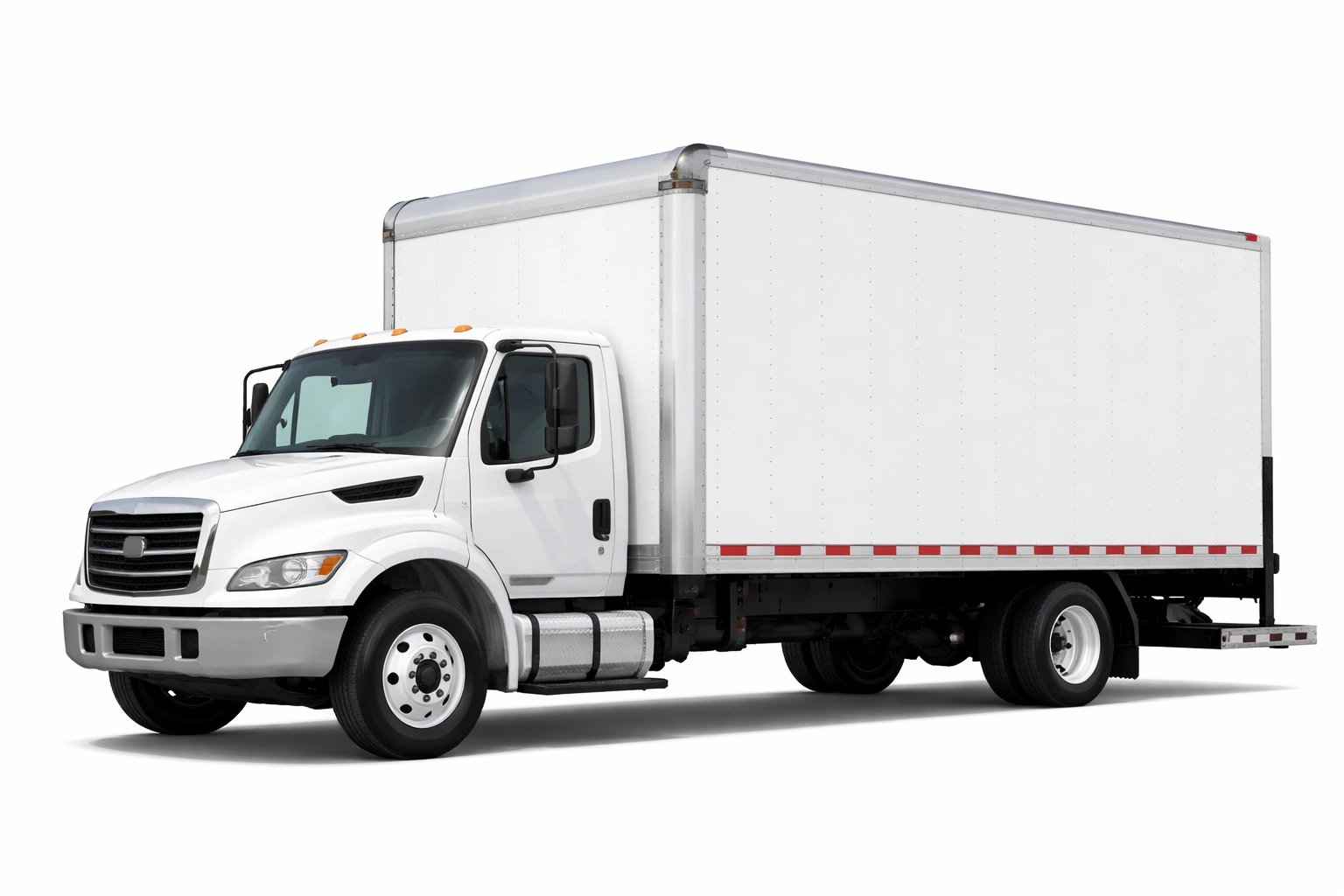
Sprinter or cargo van: useful for smaller time-sensitive freight that fits through the rear or side door and stays within the vehicle-specific payload and cargo dimensions. Straight or box truck: useful when a shipment needs more enclosed space than a cargo van but not a tractor trailer. Dry van: a common choice for larger enclosed palletized freight and dedicated truckloads.
Hot shot: useful for urgent freight that fits pickup-and-trailer combinations and may need flexible loading. Flatbed: useful when freight is loaded from the side or top, or when dimensions make an enclosed trailer impractical. Step deck: can provide additional vertical clearance for taller freight. RGN/heavy haul: may be needed for large machinery or equipment that requires a lower loading angle or specialized permits.
When the cheapest truck is not the cheapest shipment
Choosing equipment only by the lowest rate can create expensive problems. If the truck arrives and the freight is too tall, too heavy, cannot be loaded from the planned direction, or needs a liftgate that was never requested, the shipment can be delayed and re-quoted.
A better approach is to match the equipment before dispatch. If you send Jason the dimensions, weight, pickup ZIP, delivery ZIP, loading method and photos, he can help compare Sprinter van freight, hot shot trucking, LTL, full truckload, flatbed and heavy haul options.
What to Send Jason
If you want help matching the shipment to the right equipment or service, send these details with your freight quote request:
- Pickup and delivery ZIP codes
- Exact packaged dimensions of every piece or pallet
- Total weight and piece count
- Whether the freight can be stacked
- Dock, forklift, crane, ramp or ground-level loading
- Whether enclosed/weather-protected equipment is required
- Ready date and required delivery time
- Photos for unusual machinery or equipment
Do not guess the equipment if you are unsure
You do not need to know the trucking terminology before asking for a quote. Send the freight details and the options can be compared. That is usually safer than booking a truck by name and discovering at pickup that the load does not fit.
Frequently Asked Questions
Can you tell truck size from weight alone?
No. Weight is only one factor. Dimensions, loading method, stackability, access and weather protection can all change the equipment needed.
What if I do not know which freight service I need?
Send the shipment details without choosing a service first. The equipment can be compared after the dimensions, weight, route and loading requirements are known.
Can oversized freight use a standard flatbed?
Sometimes, but freight that exceeds standard legal dimensions or equipment capacity may require permits or specialized trailers. The exact load details need to be reviewed.
Do Sprinter van dimensions stay the same for every van?
No. Cargo length, roof height, door opening and payload vary by model and configuration, so vehicle-specific clearance should be confirmed before dispatch.
