
Quick Answer
Excavator transport starts with the exact make/model, operating or transport weight, track width, overall transport length and height, and the boom/bucket configuration. Smaller excavators may move on hot shot or step-deck equipment; larger machines commonly need RGN or lowboy trailers. Width, height and weight can trigger permits, so model-specific specifications are essential.
Use the dimensions in the actual shipping configuration with boom, stick and bucket positioned for transport.
An operable excavator can often load onto an RGN or suitable ramped trailer under controlled conditions.
Buckets, thumbs, breakers and other attachments can change dimensions, weight and securement requirements.
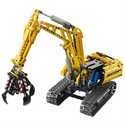
Use exact shipment measurements and loading details to match the freight to the right equipment.
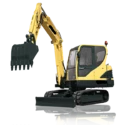
Use exact shipment measurements and loading details to match the freight to the right equipment.
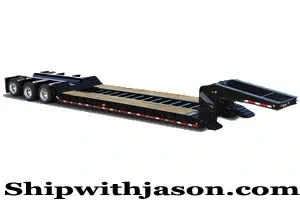
Use exact shipment measurements and loading details to match the freight to the right equipment.
Get the exact machine specification
“Excavator” can describe equipment ranging from compact mini excavators to very large production machines. Trailer selection cannot be made from the equipment category alone.
Provide the make, model, transport weight, track width and transport height. If a bucket or attachment will be removed, list it separately with its dimensions and weight. Photos help verify boom position and any protrusions.
Match the machine to loading and trailer height
Smaller machines may use ramps on appropriately rated equipment. Larger excavators often use an RGN because the removable neck creates a low drive-on approach and the low deck helps manage overall height.
Ground conditions matter. Soft soil, slopes or tight construction sites can make loading difficult even when the highway equipment is correct. Confirm there is enough room to align the machine with the trailer safely.
Securement and oversize planning
Tracked equipment must be secured against movement, and articulated or movable components must be restrained appropriately. FMCSA provides commodity-specific rules for heavy equipment and machinery; see FMCSA cargo securement guidance.
If track width exceeds legal limits or the machine is especially tall or heavy, permits and route planning may be required. Travel hours, escorts or route restrictions can affect the schedule.
What to Send Jason for This Shipment
You do not need to know the exact truck or trailer before requesting a quote. Send the shipment facts so the equipment can be matched to the freight:
- Excavator make/model
- Transport weight
- Track width
- Transport length and height
- Bucket/attachment details
- Running condition
- Loading area and ground condition
- Pickup/delivery addresses and dates
Planning Tip
The fastest way to quote an excavator is to send the make/model plus a side photo. That usually lets transport dimensions be confirmed without guessing.
Frequently Asked Questions
What trailer is used to haul an excavator?
It depends on size. Smaller excavators may use hot shot or step deck equipment, while larger machines often use RGN or lowboy trailers.
Do excavators usually require oversize permits?
Not always. Permit needs depend on the loaded width, height, length and weight.
Can the bucket stay attached?
Often yes, but the transport dimensions, securement and trailer space must be checked.
Can a non-running excavator be shipped?
Yes, but loading and unloading must be arranged with suitable winching, crane or other equipment.
