
Quick Answer
Use LTL when a palletized shipment can move through a shared freight network and price efficiency matters more than dedicated handling. Consider hot shot when the freight is time-sensitive, needs direct point-to-point movement, has unusual dimensions or loading requirements, or would benefit from staying on one dedicated vehicle. Neither is automatically better—the shipment’s urgency and handling tolerance are the key differences.
Shared trailer capacity, terminal handling and scheduled network movement can make sense for routine pallet freight.
Dedicated or more direct equipment can be useful for urgent freight, machinery and unusual loads.
Ask how much handling the freight can tolerate and how tightly the pickup and delivery times matter.
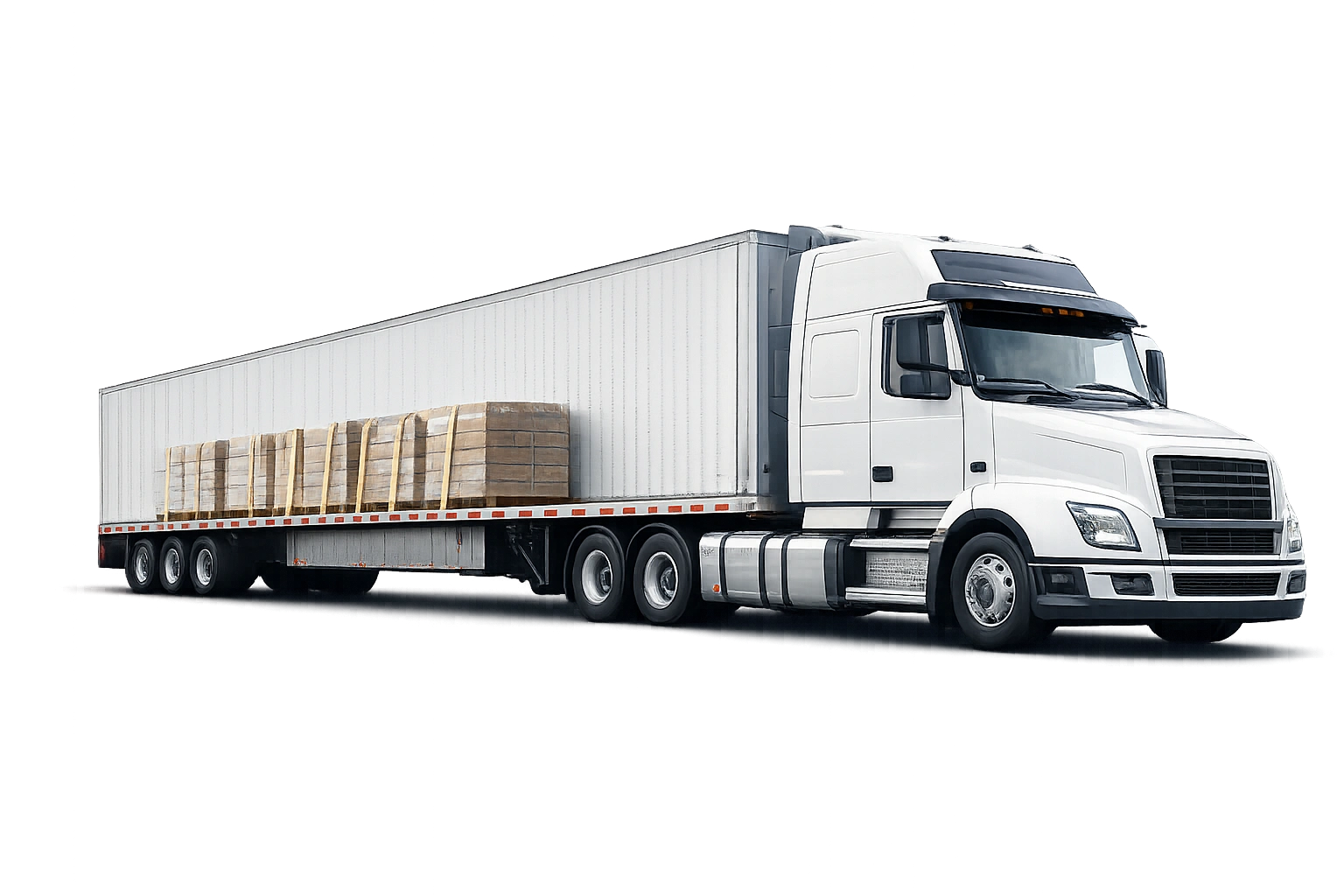
Use exact shipment measurements and loading details to match the freight to the right equipment.
Use exact shipment measurements and loading details to match the freight to the right equipment.
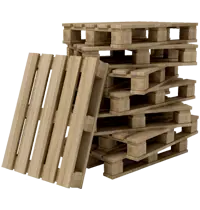
Use exact shipment measurements and loading details to match the freight to the right equipment.
LTL is built around shared capacity
Less-than-truckload shipping combines freight from multiple customers. That can make it economical for shipments that do not require an entire trailer, especially standard palletized freight moving between commercial facilities.
Because LTL can involve terminals, transfers and multiple handling events, accurate classification, packaging, dimensions and accessorial information are important. Fragile or unusual freight may need extra preparation.
Hot shot is often chosen for directness and urgency
Hot shot service is often used when a shipment needs a dedicated vehicle or open-deck trailer, when timing is tight, or when the freight does not fit neatly into a standard LTL network. It can reduce handling because the load may stay on the same vehicle from pickup to delivery.
That convenience does not mean hot shot is always the right choice for a few pallets. Routine dock-to-dock freight without a tight deadline may be more economical in LTL.
Compare total shipment risk, not just the rate
A lower line-haul price is not the only cost. Consider the value of the freight, the consequence of delay, the number of handling events, pickup and delivery access and whether the shipment requires special equipment.
For a critical production part, dedicated hot shot service may be justified by the cost of downtime. For routine inventory replenishment, LTL may be the practical answer.
What to Send Jason for This Shipment
You do not need to know the exact truck or trailer before requesting a quote. Send the shipment facts so the equipment can be matched to the freight:
- Number and dimensions of pallets
- Total weight and commodity
- Freight class if known
- Pickup and delivery hours
- Dock, liftgate or limited-access requirements
- Required transit or appointment
- Whether direct dedicated service is preferred
Planning Tip
If a shipment is urgent enough that a missed connection would hurt operations, compare dedicated hot shot service before defaulting to a standard LTL network.
Frequently Asked Questions
Is hot shot faster than LTL?
Hot shot can provide more direct dedicated movement, but actual transit depends on lane, driver availability and requested service.
Is LTL cheaper than hot shot?
Often for routine standard pallet freight, but not always. Urgency, accessorials, dimensions and lane conditions affect both options.
Can machinery move LTL?
Some machinery can move LTL if it is packaged, dimensioned and classified appropriately. Larger or awkward machinery may be better on dedicated open-deck equipment.
Does hot shot use freight class?
Hot shot quotes are generally based more directly on the load, equipment, distance and market conditions than on LTL freight-class rating.
