
Quick Answer
To ship a CNC machine safely, gather the manufacturer’s transport weight and dimensions, identify the center of gravity and lifting points, secure or remove movable components, address fluids and loose accessories, coordinate professional rigging, and choose equipment that matches the loaded height and weight. CNC machines are dense and top-heavy enough that assumptions can become expensive quickly.
Get the model, serial or specification sheet, transport weight and exact dimensions before requesting equipment.
Determine who disconnects, lifts, skates, cranes or forklifts the machine at both ends.
Secure doors, tables, tool changers, control cabinets and removable accessories according to manufacturer guidance.
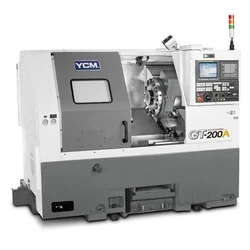
Use exact shipment measurements and loading details to match the freight to the right equipment.
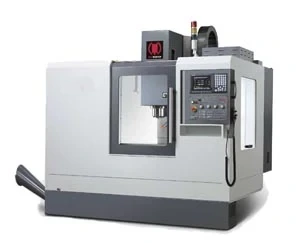
Use exact shipment measurements and loading details to match the freight to the right equipment.
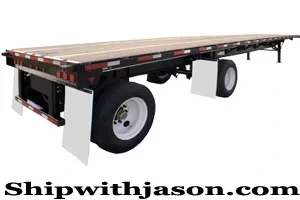
Use exact shipment measurements and loading details to match the freight to the right equipment.
Start with manufacturer transport information
CNC machines can be extremely dense for their footprint. The correct shipping weight may differ from an installed operating weight if coolant, chip conveyors, tooling or auxiliary equipment are removed.
Use the manufacturer manual or data plate when possible. Record the machine’s length, width, height, weight, center-of-gravity information and approved lifting or forklift points. If the machine must remain upright, state that clearly.
Coordinate rigging before transportation
The carrier is not automatically the rigger. The shipper should confirm who disconnects utilities, drains or contains fluids, blocks the machine, moves it to the loading point and lifts it onto the trailer. The same planning is needed at delivery.
Large machining centers may require a machinery mover, crane or heavy forklift. Site access, ceiling height, door dimensions and floor capacity can matter as much as the highway transportation.
Choose equipment around loaded height and weight
A smaller CNC may move on a flatbed or step deck; taller or heavier machines may require lower or specialized equipment. Weather protection may be provided with tarps or specialized enclosed solutions when appropriate, but the protection method must not damage sensitive surfaces.
Securement should use suitable structural points and blocking. Avoid placing chains, straps or pressure on controls, sheet metal, precision ways or components not designed for securement.
What to Send Jason for This Shipment
You do not need to know the exact truck or trailer before requesting a quote. Send the shipment facts so the equipment can be matched to the freight:
- Manufacturer and model
- Transport weight and exact dimensions
- Photos from all sides
- Rigging/loading method
- Center of gravity and lift points if known
- Loose or removable accessories
- Weather-protection requirement
- Pickup and delivery access
Planning Tip
For CNC shipping, the best quote starts with the machine model and transport specs. A photo of the machine and loading area can prevent expensive equipment changes.
Frequently Asked Questions
Can a CNC machine ship on a flatbed?
Yes, many can, depending on dimensions, weight, weather-protection needs and loading method.
Should coolant be drained before shipping?
Follow the manufacturer and rigging plan. Fluids may need to be drained, contained or prepared to prevent leaks and damage.
Who loads a CNC machine?
Loading is typically coordinated with qualified riggers, crane operators or forklift operators unless another arrangement is specifically made.
Does a CNC machine need air-ride transportation?
Some sensitive machinery may benefit from specific suspension or handling requirements. Provide manufacturer recommendations when available.
