
Quick Answer
Industrial machinery shipping starts with verified transport dimensions and weight, followed by a loading and rigging plan. Identify the machine’s center of gravity, lifting points, loose components, fluid condition and weather sensitivity. Then choose enclosed, flatbed, step deck or heavy-haul equipment based on the actual load. The term “machinery” is too broad to quote safely without those details.
Use manufacturer data or scale weights where possible, especially for dense equipment.
Confirm who disconnects, lifts, skates, cranes or forklifts the machine at pickup and delivery.
Plan blocking, securement, tarping or enclosure around the machine’s sensitive components and finish.

Use exact shipment measurements and loading details to match the freight to the right equipment.
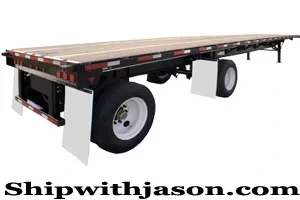
Use exact shipment measurements and loading details to match the freight to the right equipment.
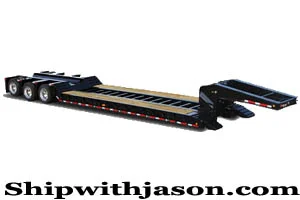
Use exact shipment measurements and loading details to match the freight to the right equipment.
Create a transport profile before requesting a truck
Record the machine make/model, exact dimensions in the shipping configuration, weight, center of gravity and any components that will be removed. Photographs should show all sides and the base or skid.
If the machine has tanks, hydraulic reservoirs, batteries, gas cylinders or hazardous material, disclose that early. Freight classification and regulatory requirements can change based on what remains inside the equipment.
Plan how the machine gets onto and off the trailer
Large machinery often needs riggers, cranes, gantries, toe jacks, machinery skates or heavy forklifts. Transportation should be scheduled around those resources rather than assuming the driver will perform machinery moving.
Measure doors, gates and indoor clearances if the equipment must travel through a building before or after the highway move. A perfect trailer cannot solve a machine that cannot reach the loading point.
Match equipment to the real constraints
Enclosed vans protect smaller packaged machinery. Flatbeds provide side/top loading. Step decks help with height. RGNs and heavy-haul trailers serve tall, heavy or drive-on equipment.
Weather protection can range from shrink wrapping and crating to tarping or enclosed service depending on the machine. Sensitive electronics, exposed ways and precision surfaces should be protected from both moisture and securement pressure.
What to Send Jason for This Shipment
You do not need to know the exact truck or trailer before requesting a quote. Send the shipment facts so the equipment can be matched to the freight:
- Machine make/model
- Transport dimensions and weight
- Photos and manufacturer drawings
- Center of gravity/lift points
- Rigging plan
- Fluids, batteries or hazardous contents
- Weather sensitivity
- Origin/destination access
Planning Tip
For industrial machinery, send photos and transport specs before asking for “a flatbed.” The freight should choose the trailer, not the other way around.
Frequently Asked Questions
What is the best trailer for industrial machinery?
It depends on dimensions, weight, loading method and weather sensitivity. Flatbed, step deck, RGN and enclosed equipment are all possible.
Does the trucking company provide rigging?
Not automatically. Rigging should be specifically arranged and confirmed at both ends.
Should machinery be crated?
Some machinery benefits from crating, while large machines may move open-deck with appropriate protection. Follow manufacturer and risk requirements.
How do I get an accurate machinery freight quote?
Provide exact dimensions, weight, origin/destination, loading method, timing and photos.
