
Quick Answer
To ship a forklift, provide the make/model, operating or transport weight, overall length and width, mast height in the transport position, fuel or battery type and whether the forklift runs. Smaller forklifts may fit flatbed or hot shot equipment; larger or tall units may require a step deck or specialized trailer. The loading plan matters because a forklift can be driven on only when the trailer has suitable ramps or ground-level loading capability.
Transport height—not working lift height—is what matters for highway clearance.
Propane cylinders, batteries, diesel or gasoline systems may require specific preparation.
Confirm ramps, dock, crane or RGN loading rather than assuming the forklift can climb onto any trailer.
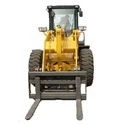
Use exact shipment measurements and loading details to match the freight to the right equipment.
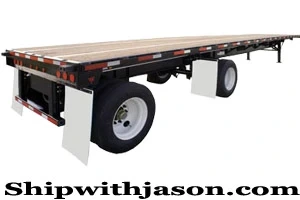
Use exact shipment measurements and loading details to match the freight to the right equipment.
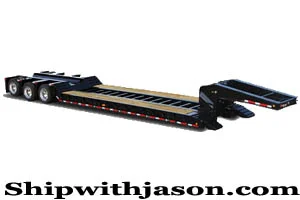
Use exact shipment measurements and loading details to match the freight to the right equipment.
Record transport dimensions accurately
Measure with forks and mast in the intended transport position. If forks are removed and shipped separately, note that. Include attachments such as side shifters, clamps or long forks because they can change total length or width.
Use the manufacturer operating weight when possible, including the installed battery or counterweight. Electric forklifts can be especially dense because of the traction battery.
Choose loading equipment before dispatch
A low trailer with ramps can allow an operable forklift to drive on, but ramp angle, capacity and ground clearance must be suitable. An RGN can simplify drive-on loading for larger equipment.
If the forklift does not run, coordinate a winch, crane or another forklift with enough capacity. The delivery site needs the same level of planning so the unit can be removed safely.
Secure the forklift as heavy mobile equipment
Forklifts must be restrained so they cannot roll, shift or move during transit. Lower the forks, secure movable components and follow carrier and manufacturer procedures for parking brake, mast and attachments.
FMCSA has commodity-specific securement requirements for heavy vehicles, equipment and machinery at 10,000 pounds or more, while lighter equipment remains subject to general or applicable securement rules. See FMCSA cargo securement guidance.
What to Send Jason for This Shipment
You do not need to know the exact truck or trailer before requesting a quote. Send the shipment facts so the equipment can be matched to the freight:
- Forklift make/model
- Operating/transport weight
- Overall length, width and transport height
- Fork length and attachments
- Battery or fuel type
- Running condition
- Loading/unloading method
- Pickup and delivery surface/access
Planning Tip
The mast height and operating weight are the two forklift details most likely to change the trailer choice. Send both before booking.
Frequently Asked Questions
Can a forklift ship on a flatbed?
Yes, many forklifts can, depending on transport height, weight and how they will be loaded.
Should the forks be removed?
Not always. Removal may reduce length or simplify securement, but follow the manufacturer and loading plan.
Can an electric forklift ship with the battery installed?
Often yes, but the battery type, weight and condition must be considered and properly prepared.
What if the forklift does not run?
Arrange suitable winching, crane or forklift assistance at pickup and delivery before the truck arrives.
