
Quick Answer
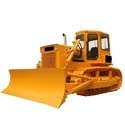
Heavy machinery shipping starts with accurate measurements, a safe loading plan and the right trailer. The machine model alone is not enough to quote the move correctly.
Record the machine in its actual shipping configuration, including attachments, guards and shipping frames.
Know whether it drives, rolls, lifts by crane or requires a forklift, rigging crew or loading dock.
Flatbed, step deck, RGN, lowboy or specialized heavy-haul equipment may be considered based on the load.
Get the actual shipping dimensions and weight
Start with length, width, height and operating/shipping weight. Do not rely only on a brochure if attachments, tires, buckets, booms, guards or custom modifications change the machine. If removable components can legally and safely reduce the shipping dimensions, note that before quoting.
Photos from several angles are extremely useful. Include a side view, front/rear view, loading points and any area that might affect securement or ground clearance. For unusual equipment, model and serial information can help identify the machine, but measured dimensions are still important.
Decide how the machine will get on and off the trailer
Self-propelled equipment may be able to drive onto an RGN or ramped trailer, while non-running machinery may need a crane, forklift, winch or rigging crew. Confirm the plan at both pickup and delivery—not just at origin.
Also confirm site conditions. Soft ground, tight gates, low overhead clearances, limited staging room and appointment restrictions can turn a simple move into a difficult one if they are discovered after the truck arrives.
Choose equipment and plan for over-dimensional requirements
A flatbed may fit machinery that stays within normal deck and height limits. A step deck can provide more vertical clearance. RGN or other low-deck equipment may be better for taller, heavier or drive-on machinery.
If the shipment exceeds legal size or weight limits, permits, escorts, route restrictions or additional planning may apply. Those requirements vary by load and jurisdiction, so they should be reviewed before dispatch. Shipwithjason can help compare heavy haul and over-dimensional trucking options based on the actual shipment.
What to Send Jason
If you want help matching the shipment to the right equipment or service, send these details with your freight quote request:
- Machine make/model plus measured dimensions
- Actual shipping weight
- Attachments included or removed
- Running or non-running condition
- Loading/unloading method
- Ground clearance and securement concerns
- Pickup/delivery site access
- Photos from several angles
- Required pickup and delivery dates
Do not guess the equipment if you are unsure
You do not need to know the trucking terminology before asking for a quote. Send the freight details and the options can be compared. That is usually safer than booking a truck by name and discovering at pickup that the load does not fit.
Frequently Asked Questions
What trailer is used to ship heavy machinery?
It depends on the machine. Flatbeds, step decks, RGNs and other specialized trailers may be used depending on dimensions, weight, loading method and route.
Do I need exact machinery dimensions for a quote?
Yes. Exact measured shipping dimensions and weight are much safer than relying only on a model name or brochure.
Can non-running machinery be shipped?
Yes, but the loading and unloading plan must be known in advance. A crane, forklift, winch or rigging service may be required.
Will heavy machinery need permits?
Possibly. If the loaded dimensions or weight exceed legal limits, permits or other requirements may apply depending on the route and jurisdictions involved.
