
Quick Answer
The correct trailer for oversized freight depends on what makes the shipment oversized. Wide freight may move on a standard flatbed with permits; tall freight may need a step deck or double drop; drivable heavy machinery may need an RGN; very long freight may need extendable equipment. Weight can require additional axles or heavy-haul configurations. Start with exact loaded dimensions and weight, then match the trailer.
Flatbed or step deck may still work, but permit and route requirements can apply above legal width.
Lower-deck equipment such as step deck, double drop or RGN can create more vertical clearance.
Heavy-haul axle configurations or extendable trailers may be required based on weight distribution and length.
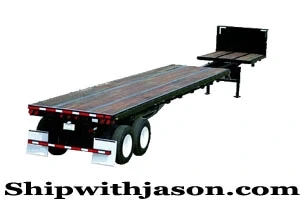
Use exact shipment measurements and loading details to match the freight to the right equipment.
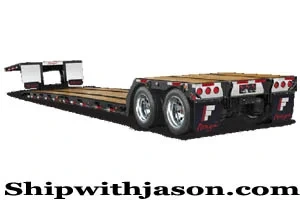
Use exact shipment measurements and loading details to match the freight to the right equipment.
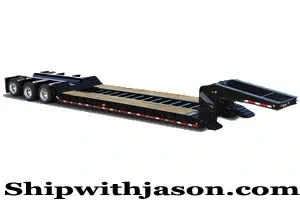
Use exact shipment measurements and loading details to match the freight to the right equipment.
Identify what is oversized
Oversize is not one equipment category. A 9-foot-wide crate creates a different planning problem than a 14-foot-tall machine or a 70-foot structural component. Each dimension changes trailer selection, permit needs and route options.
Federal rules generally set 102 inches as the width states must allow on the National Network, while height limits are set by states. For background, see the FHWA size regulations. Permit requirements must be checked for the actual route.
Match the problem to the trailer
Flatbeds provide an open continuous deck and work well for many wide or long loads. Step decks lower the main deck to help with height. Double drops create an even lower center well for very tall freight. RGNs combine a low deck with removable-neck drive-on loading. Extendable trailers help with long self-supporting cargo.
Sometimes more than one trailer can move the load. Availability, weight distribution, loading equipment and route restrictions then determine the best practical choice.
Plan the route before the truck arrives
Oversize moves may require permits, escorts, restricted travel hours, bridge or road reviews and specific routing. A load that is legal in one state may face different rules after crossing a state line.
Provide origin and destination addresses—not only ZIP codes—when access or oversized routing is critical. Photos of the pickup and delivery area can help identify gates, turns, overhead obstructions or ground conditions that affect the equipment plan.
What to Send Jason for This Shipment
You do not need to know the exact truck or trailer before requesting a quote. Send the shipment facts so the equipment can be matched to the freight:
- Exact overall loaded dimensions
- Total weight and weight distribution
- Commodity description
- Loading and unloading method
- Whether equipment runs or rolls
- Pickup and delivery addresses
- Photos or drawings
- Required dates and any site restrictions
Planning Tip
Do not choose an oversize trailer from the commodity name alone. The dimension that causes the oversize condition is what drives the equipment and permit plan.
Frequently Asked Questions
Does freight wider than 8.5 feet always need a permit?
On the National Network, cargo over the general 102-inch width limit typically requires an overwidth permit, subject to jurisdictional rules.
What trailer is best for tall freight?
A step deck, double drop or RGN may provide more vertical clearance depending on the cargo and loading method.
What trailer is best for very long freight?
An extendable flatbed or specialized trailer may be needed when the cargo exceeds standard deck length.
Who determines oversize permit requirements?
Requirements are set by the jurisdictions the shipment travels through and depend on the loaded vehicle dimensions and weight.
