
Quick Answer
Hot shot and flatbed are not opposites—many hot shot shipments move on open-deck trailers. The practical difference is usually the size of the truck-and-trailer combination, shipment weight, trailer configuration, urgency and available capacity. Smaller time-sensitive loads may fit hot shot equipment; larger or heavier freight may call for a tractor with a standard flatbed, step deck or specialized trailer.
Useful for smaller, time-sensitive open-deck freight when the load fits the available pickup-and-trailer combination.
Better suited to larger or heavier open-deck shipments and freight needing full-size commercial trailer capacity.
Both require accurate dimensions, weight, loading method, securement planning and any required tarping or permits.
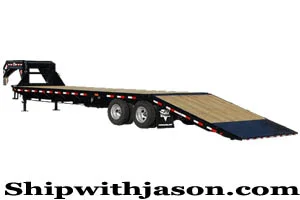
Use exact shipment measurements and loading details to match the freight to the right equipment.
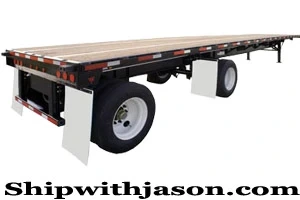
Use exact shipment measurements and loading details to match the freight to the right equipment.
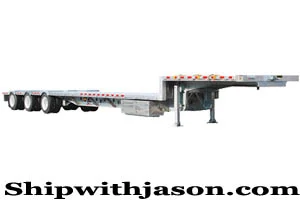
Use exact shipment measurements and loading details to match the freight to the right equipment.
Hot shot describes the service and equipment scale
Hot shot trucking commonly uses pickup-based equipment and gooseneck trailers for smaller or urgent loads. It can be a strong fit for construction parts, machinery components, fabricated items and equipment that does not need the capacity of a full tractor trailer.
Flatbed trucking usually refers to larger commercial open-deck equipment. A full-size flatbed offers greater capacity and may be the natural choice when freight is heavier, longer or part of a larger shipment.
The trailer matters more than the marketing label
A hot shot carrier may have a flatbed, dovetail, low-profile or other trailer. A tractor carrier may offer flatbed, step deck, double drop or RGN equipment. That means the shipper should describe the freight first and let the equipment match follow from the dimensions and loading method.
For tall machinery, a lower deck may matter more than whether the service is called hot shot. For drivable equipment, ramps or an RGN may matter more than the tractor size.
When freight should move up to full-size flatbed equipment
If the load is close to the hot shot trailer’s weight or dimensional limit, using larger equipment can create a better safety and routing margin. Full-size flatbeds also make sense for long materials, multiple pieces or freight that needs greater deck space.
If the shipment is small and urgent, however, the additional capacity of a tractor trailer may be unnecessary. Availability and lane economics should be compared rather than assuming one equipment class is always cheaper.
What to Send Jason for This Shipment
You do not need to know the exact truck or trailer before requesting a quote. Send the shipment facts so the equipment can be matched to the freight:
- Commodity and piece count
- Length, width, height and weight
- Whether the freight runs, rolls or must be lifted
- Tarping requirements
- Crane or forklift availability
- Pickup and delivery access
- Required pickup and delivery timing
Planning Tip
Tell Jason what the freight is and how it loads. You do not need to decide “hot shot” or “flatbed” before the equipment is matched.
Frequently Asked Questions
Is hot shot trucking always a flatbed?
No. Hot shot carriers can use different trailer types. The correct trailer depends on the freight.
Can hot shot haul machinery?
Yes, when the machine fits the trailer’s dimensions and weight rating and can be secured properly.
When should I use a full-size flatbed?
Larger, heavier, longer or multi-piece loads often benefit from the capacity of tractor-trailer flatbed equipment.
Can either service haul oversize freight?
Potentially, but oversized freight may require permits, route planning and equipment appropriate to the dimensions and jurisdiction.
