
Quick Answer
Shipping a generator starts with the generator’s packaged or transport dimensions, weight, fuel condition, lifting points and whether it is skid-mounted, enclosed, trailer-mounted or loose. Small units may move in a van or LTL network when properly packaged; larger standby and industrial generators often need flatbed, step deck or heavy-haul equipment.
A skid-mounted generator ships differently from a towable unit or a generator enclosed inside a weather housing.
Fuel, batteries and fluids can affect handling and regulatory requirements. Prepare the unit according to manufacturer and carrier instructions.
Confirm forklift pockets, lifting eyes, crane access or trailer ramps before the truck arrives.
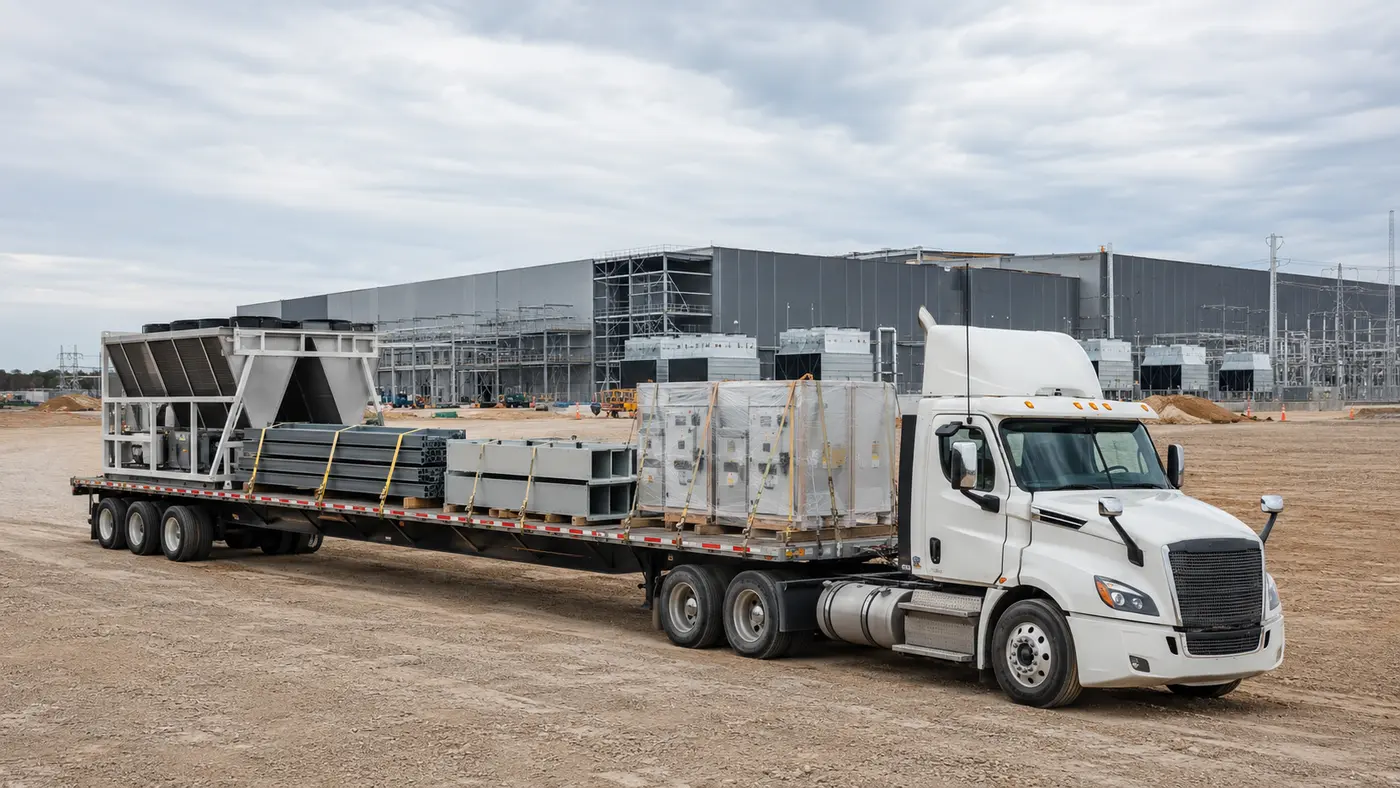
Use exact shipment measurements and loading details to match the freight to the right equipment.
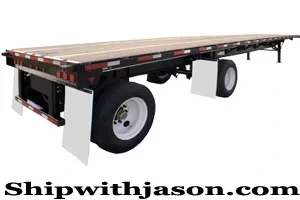
Use exact shipment measurements and loading details to match the freight to the right equipment.
Use exact shipment measurements and loading details to match the freight to the right equipment.
Document the generator as it will actually ship
Use the transport dimensions including enclosure, skid, exhaust components, fuel tank and any protruding accessories. If removable pieces will ship separately, list them as separate items.
Weight should come from the manufacturer plate or specification sheet whenever possible. Guessing based on generator output can be misleading because enclosures, base tanks and sound attenuation packages add substantial weight.
Prepare the unit for movement
Secure doors, panels, cables and loose accessories. Follow manufacturer procedures for batteries, fuel, coolant and oil. If fuel remains in the unit, tell the transportation provider because the fuel type and quantity can affect how the shipment is handled.
Protect controls and exposed components from straps or chains. If the generator has lifting eyes or forklift pockets, photograph them so the loading plan can be confirmed.
Choose the freight mode by size and urgency
A compact crated generator may move LTL or by dedicated van. Larger commercial generators commonly move on open-deck equipment because cranes or forklifts need side or top access. Tall generator packages may benefit from a step deck; very heavy systems may require specialized heavy-haul equipment.
For data-center or backup-power projects, delivery appointments, crane schedules and site access can be just as important as the highway move itself.
What to Send Jason for This Shipment
You do not need to know the exact truck or trailer before requesting a quote. Send the shipment facts so the equipment can be matched to the freight:
- Generator make/model and kW rating
- Transport dimensions and weight
- Skid, enclosure or trailer configuration
- Fuel level and battery status
- Forklift pockets or lifting eyes
- Loading/unloading equipment
- Delivery appointment or crane window
- Photos of the unit
Planning Tip
Generator quotes improve dramatically when you send the model number, transport weight and a clear side photo showing the skid or enclosure.
Frequently Asked Questions
Can a generator ship with fuel in it?
That depends on the fuel, quantity, packaging and carrier requirements. Disclose the fuel condition before booking.
What trailer ships a large standby generator?
Flatbed or step deck equipment is common, while very heavy or tall units may need specialized trailers.
Can a small generator ship LTL?
Yes, when it is properly packaged and meets the carrier’s acceptance requirements.
Do I need a crane to ship a generator?
Not always. Some units have forklift pockets or can use other loading equipment. The plan depends on the generator configuration and site.
