
Quick Answer
You can ship freight without a loading dock, but the loading method must be arranged before the truck arrives. Common solutions include a liftgate-equipped box or straight truck, a forklift at the site, a crane for open-deck freight, a ramped trailer for rolling equipment or ground-level loading into a cargo van. The individual piece weight and site conditions determine which option is safe.
Useful for many palletized shipments when a dock is unavailable, subject to liftgate platform and weight limits.
Best when the freight is too heavy, long or awkward for a liftgate.
Cargo vans and ramped trailers can reduce the height difference for suitable freight.
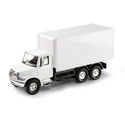
Use exact shipment measurements and loading details to match the freight to the right equipment.

Use exact shipment measurements and loading details to match the freight to the right equipment.
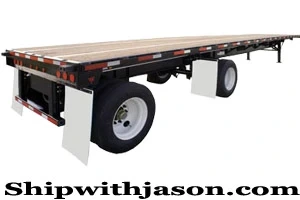
Use exact shipment measurements and loading details to match the freight to the right equipment.
Tell the carrier there is no dock before quoting
“Commercial address” does not always mean “loading dock.” If the pickup or delivery location cannot access a dock-height trailer, say so on the quote request.
A truck arriving without a liftgate or the correct loading equipment can result in delays, redelivery charges or a failed pickup. The freight dimensions and weight should be reviewed with the site capability.
Liftgate service is useful but has limits
A liftgate lowers freight between the truck floor and ground level. It works well for many palletized loads, but each liftgate has a platform size and rated capacity. Oversized or very heavy pallets may not fit safely.
A pallet jack generally works only on hard, smooth surfaces. Gravel, dirt, steep slopes, curbs or snow can turn a normal liftgate delivery into a difficult operation. Describe the surface and access conditions.
Other loading solutions
A forklift can load many box trucks and open-deck trailers from the side or rear. Cranes are useful for heavy machinery, generators and construction materials. Ramps or RGNs can allow drivable equipment to load without a dock.
For small urgent freight, a cargo van’s low load floor may make hand or forklift loading straightforward. The right service depends on the heaviest individual piece and how it can be safely moved.
What to Send Jason for This Shipment
You do not need to know the exact truck or trailer before requesting a quote. Send the shipment facts so the equipment can be matched to the freight:
- Heaviest individual piece or pallet weight
- Dimensions of each piece
- Whether the freight is palletized
- Ground surface at pickup/delivery
- Forklift or crane availability
- Liftgate and pallet-jack requirement
- Gate, driveway or parking restrictions
Planning Tip
The phrase “no dock” is not a problem by itself. The important question is what equipment is available to bridge the distance between the freight and the truck floor.
Frequently Asked Questions
Can LTL freight be picked up without a dock?
Yes, often with liftgate service or other arrangements, provided the freight fits the equipment and site.
Can a liftgate handle any pallet?
No. Platform dimensions and weight ratings vary, so heavy or oversized pallets must be checked.
Can a pallet jack roll on gravel?
Standard pallet jacks generally need a firm, smooth surface. Gravel or uneven ground may require a forklift or another plan.
What should I tell Jason about a no-dock location?
Give the piece dimensions and weight, surface conditions, available equipment and whether a liftgate or forklift is needed.
